Environmental
Mapped practices, soil and water observations, inputs, energy, waste, biodiversity, incidents and mitigation.

The impact framework distinguishes registration from active service, attendance from adoption, gross sales from net benefit and estimated outcomes from independently verified evidence.
All targets remain subject to baseline confirmation, buyer demand, safeguards, regulatory requirements and responsible service capacity.
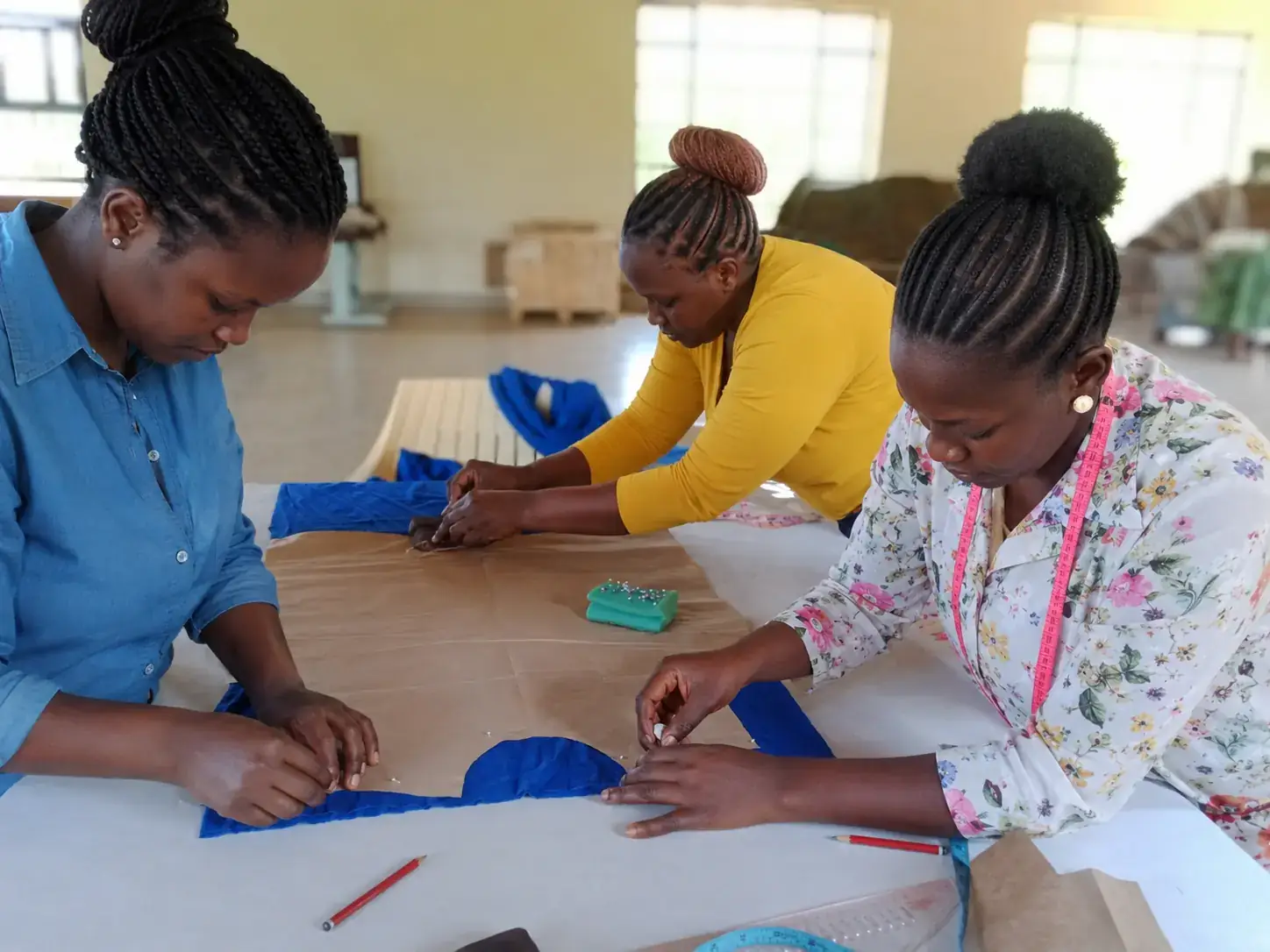
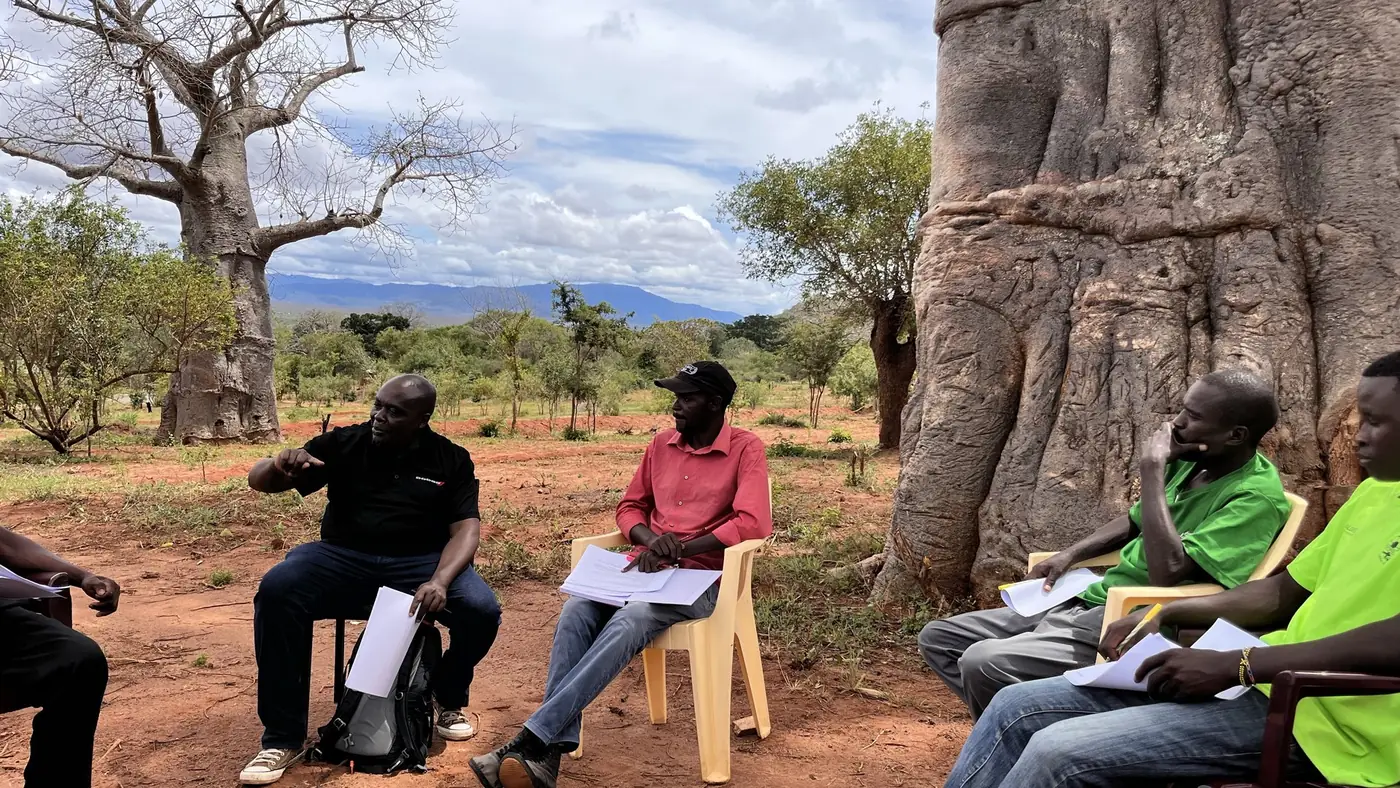
Mapped practices, soil and water observations, inputs, energy, waste, biodiversity, incidents and mitigation.
Safe work, labour rights, women and youth participation, household food production, payments, grievances and net benefit.
Approvals, procurement, conflicts, data access, audit, payment controls, complaints, AI oversight and corrective action.
If verified demand is translated into production and quality specifications; if farms and enterprises receive weather-informed and whole-farm services; if quality, custody and payments are documented; and if decision-support systems are governed, then reliable supply and buyer confidence can improve.
The expected result is better market participation, more transparent settlement, diversified livelihoods and a replicable platform for responsible investment.
Whole-farm plans protect household nutrition and water before feedstock expansion.
Child labour, forced labour, harassment, unsafe work and retaliation are prohibited.
Consent, purpose limitation, access controls, retention and correction are built into workflows.
High-impact AI, payment and eligibility decisions remain reviewable and appealable.