Fragmented value chains and weak SME–buyer linkages
Producers, SMEs, processors, laboratories, logistics providers and buyers lack a dependable shared pathway for planning, evidence and transactions.

A 36-month accelerator connecting regenerative cotton, responsible fashion, renewable-oilseed and rural enterprise pathways to quality systems, digital trust and structured markets.
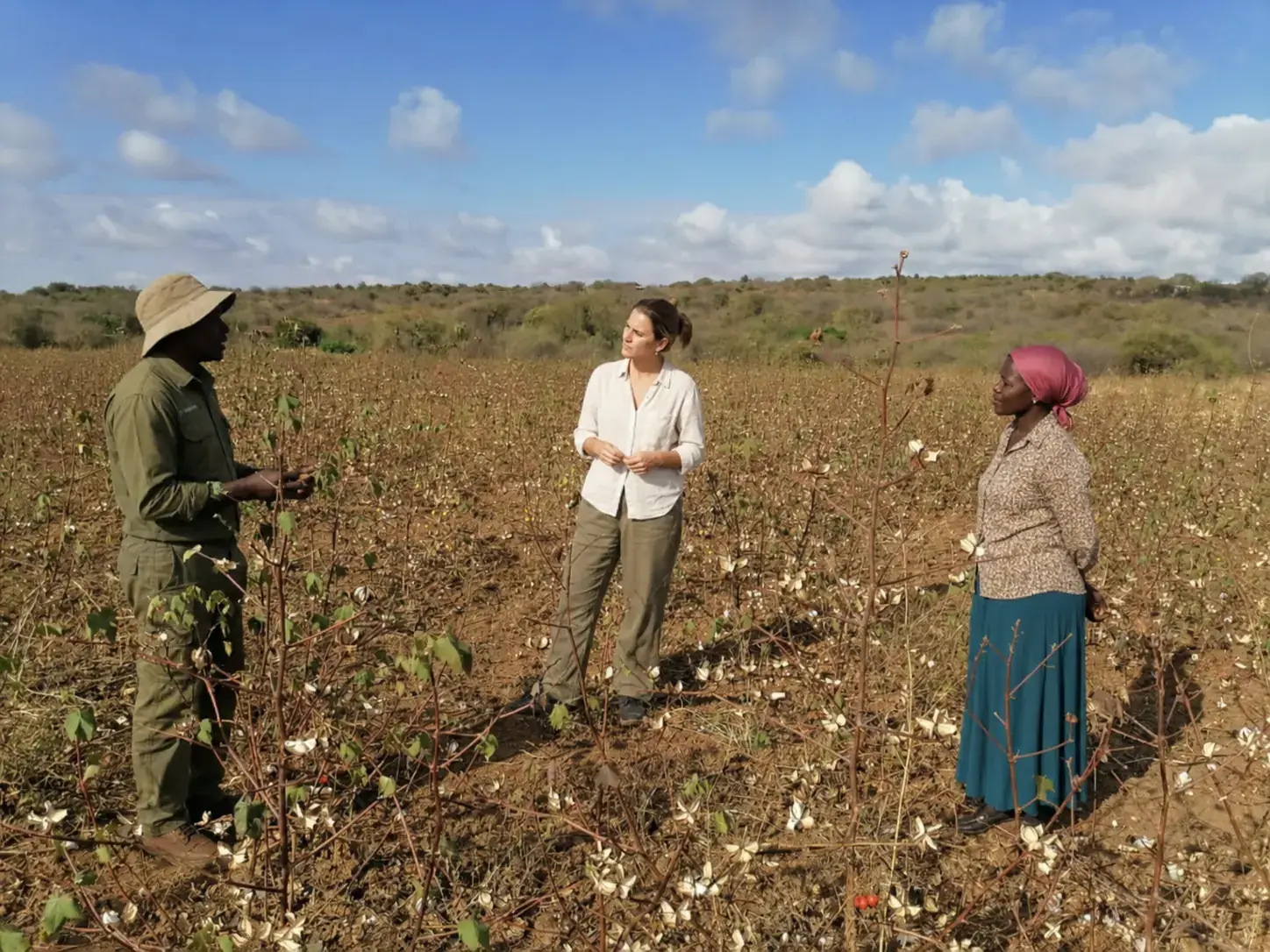
Farmers and rural SMEs can produce valuable goods and remain excluded from higher-value markets when aggregation, standards, evidence, settlement and buyer relationships are fragmented. AfriEuro Links brings those functions into one coordinated model.
Labl Group East Africa LTD leads the programme. It begins in Taita Taveta and Kilifi, validates a Kenya-based model, and prepares a responsible route to other counties and later East Africa.
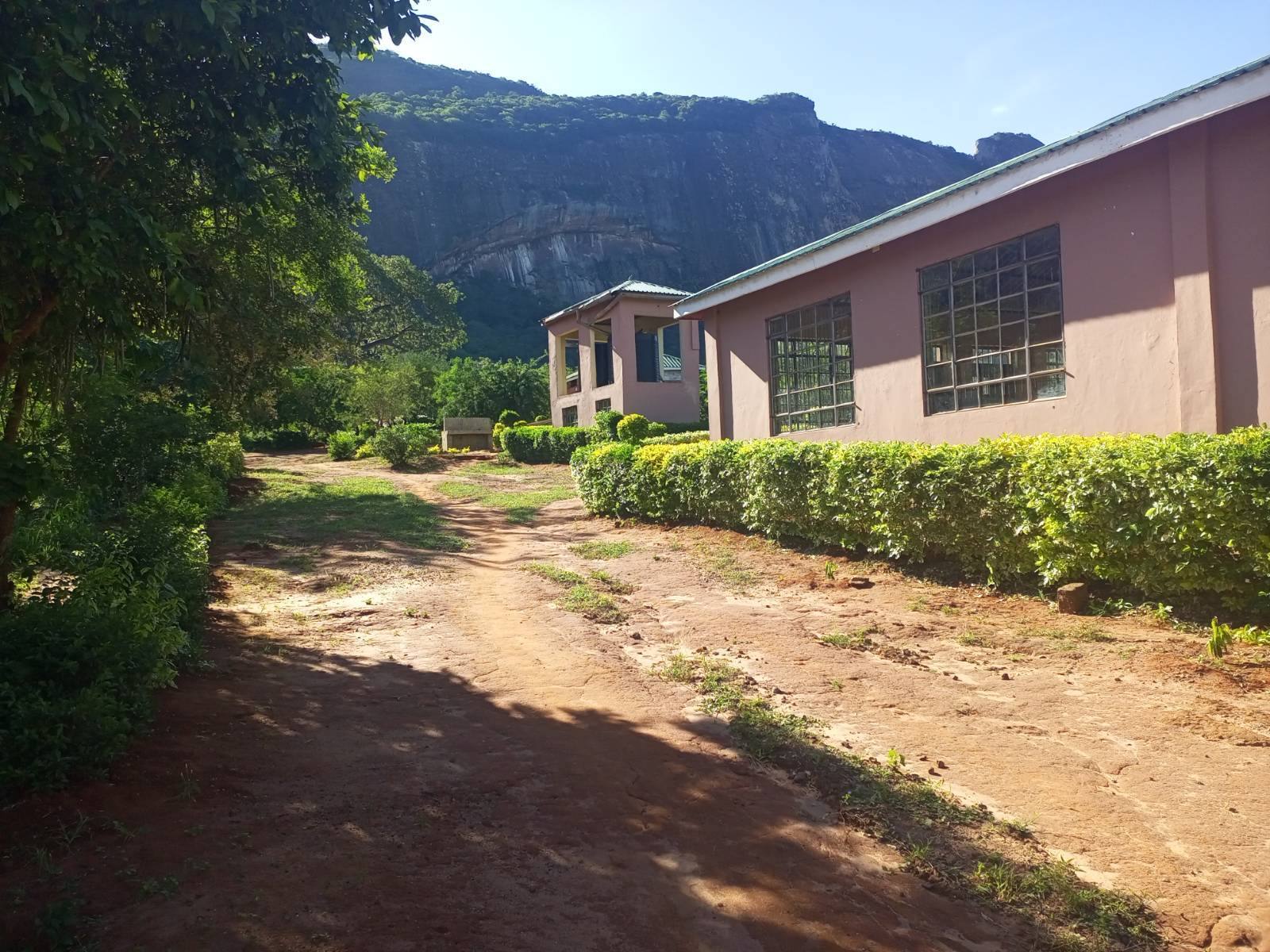
The programme links Labl Group’s Sagalla production and farming platform with Crostar Energy’s Mavueni renewable-oils pathway.
High entry cost and limited distribution are consequences of these underlying market failures.
Producers, SMEs, processors, laboratories, logistics providers and buyers lack a dependable shared pathway for planning, evidence and transactions.
Testing, chain of custody, certification readiness, environmental controls and transaction evidence remain costly or inaccessible to smaller participants.
Every stage has clear owners, evidence and decision gates.
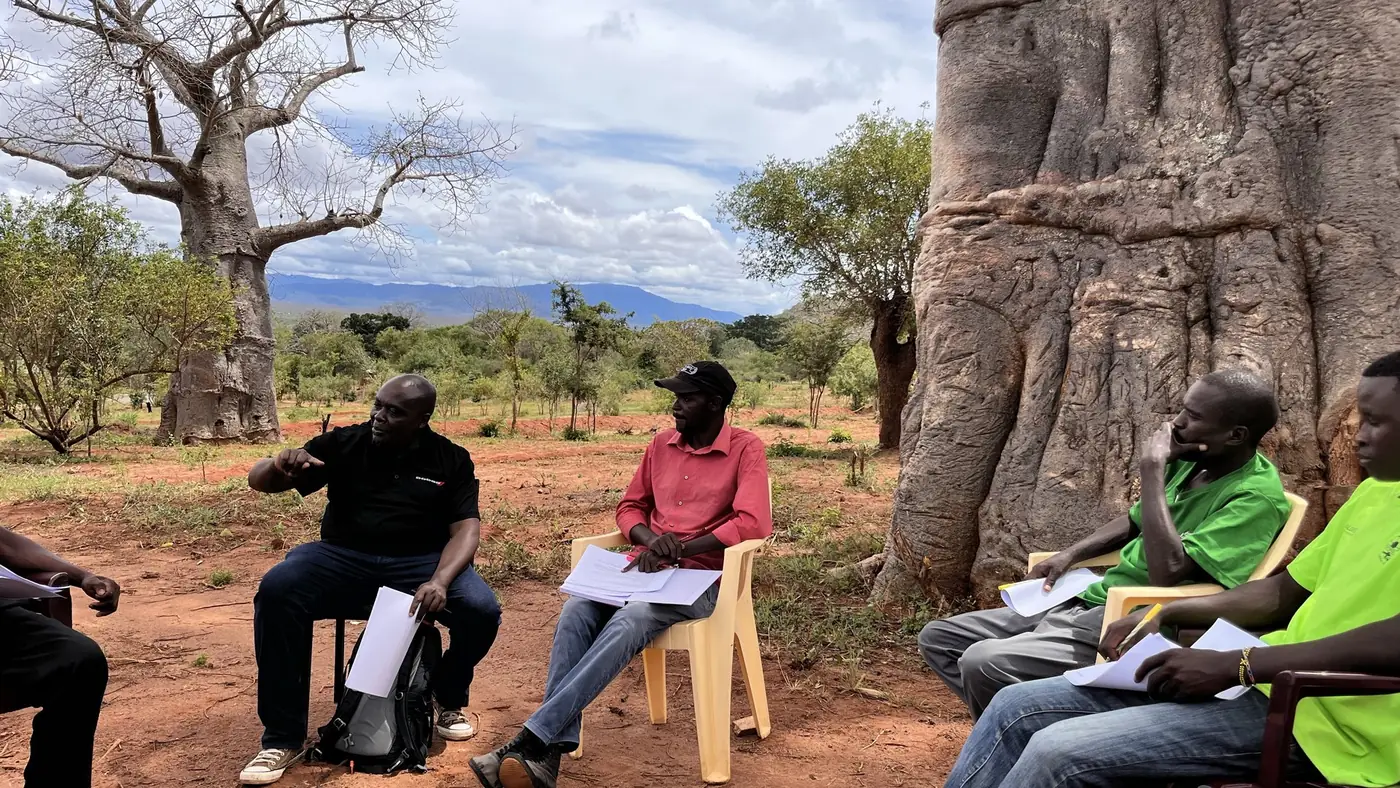
Community entry, voluntary registration, consent, eligibility, cluster charters and grievances.
Regenerative agronomy, crop diversification, food-security safeguards and extension.
Buyer-led specifications, internal controls, inspection, testing and readiness.
Permissioned records for people, plots, lots, quality, custody, contracts and payments.
Samples, buyer due diligence, contracts, logistics, settlement and evidence.
Cost recovery, local capability and replication only after proof.
Targets are indicative and remain subject to baseline confirmation, buyer demand, regulation, safeguards and responsible service capacity.
Registered and commercially linked.
Participating in production and services.
Producer and enterprise structures.
Supported toward agreed compliance.
Structured off-take or supply relationships.
Target cumulative facilitated transactions.
Lead applicant, governance, financial accountability, cotton-to-fashion market pathway and digital product ownership.
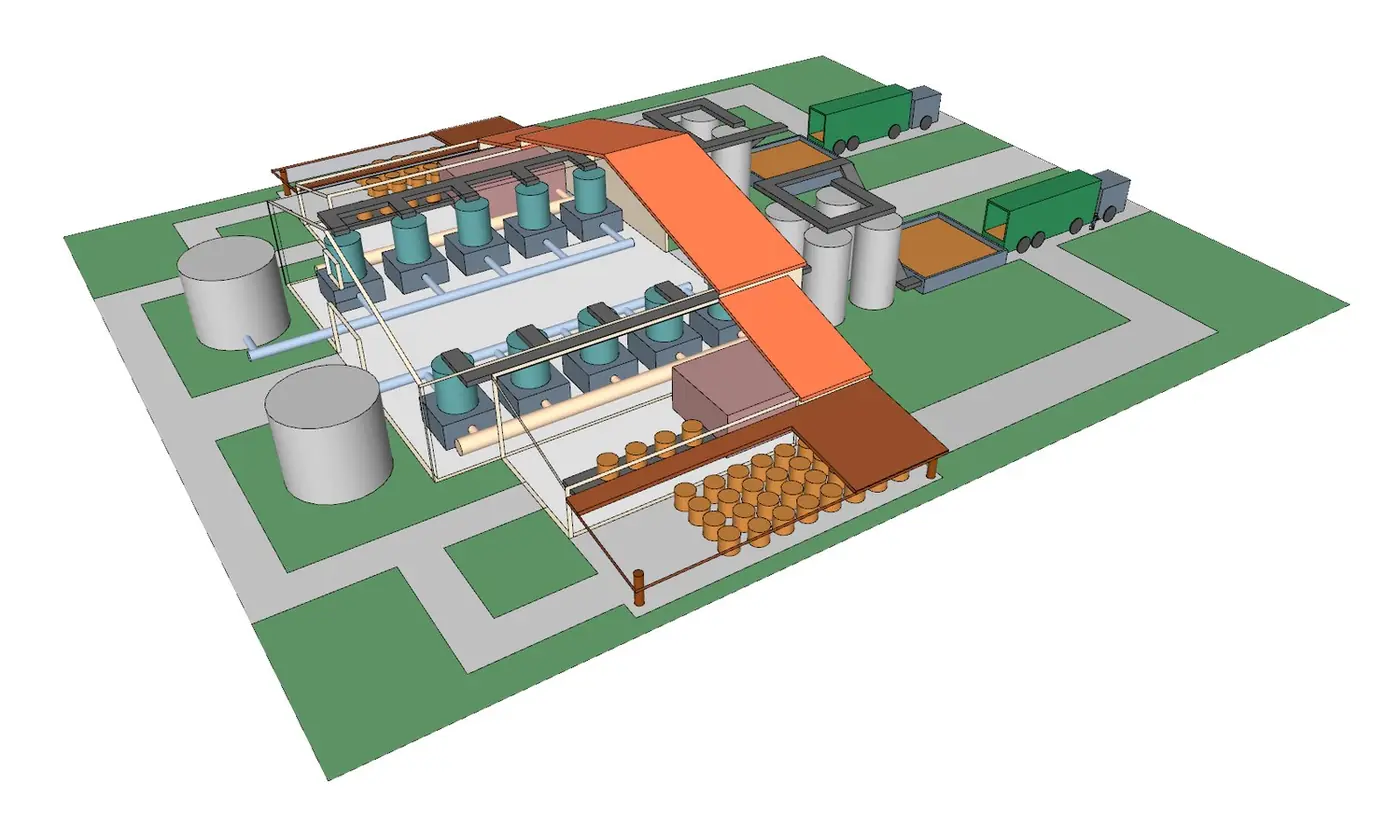
Renewable-oilseed and biodiesel-feedstock feasibility, trials, safety, quality and markets.
Regenerative production, research, cotton aggregation, product development, garment production and circularity.
Requirements, development, cybersecurity, integrations, testing, deployment and support.
Separate partner for registration, documentation, mapping, consent and field-record verification.
Separate partner for inclusion, safeguarding, training, financial literacy and controlled community-grant support.
The budget is controlled in Kenyan shillings. Detailed allocations remain subject to approved work plans, procurement and funding conditions.
| Programme component | KES |
|---|---|
| Inception, baseline, market validation and regulatory planning | 8,000,000 |
| Community mobilisation, registration and cluster governance | 16,000,000 |
| Agronomy, diversification, food security and extension | 18,000,000 |
| Standards, quality assurance, testing and certification readiness | 19,000,000 |
| Digital platform development and deployment | 25,000,000 |
| Demonstration, processing trials and compliance | 12,000,000 |
| Buyer linkage, export readiness and transactions | 10,000,000 |
| Inclusion, enterprise support and community grants | 10,000,000 |
| Monitoring, evaluation, learning and replication | 7,000,000 |
| Coordination, finance, audit and overhead | 13,000,000 |
| Total | 138,000,000 |
The Netherlands relationship provides an initial base for product feedback, buyer conversations, logistics and investment engagement. The strategy is designed for the wider European Union, not one country or one buyer.
Market access remains subject to product, origin, customs, quality, sustainability, logistics and destination requirements.
At programme completion, AfriEuro Links becomes a global marketing and market-discovery website. It will present verified suppliers, products, services, projects, buyer requirements, investment opportunities and learning.
LaDOS and CEOS will be developed as independent operating systems and will interoperate through governed APIs and authorised evidence exchange.
Priority partnerships include catalytic funding, quality and certification, licensed payment integration, weather-data access, banking and working capital, research, market access, logistics, technology assurance and independent evaluation.
Contact AfriEuro Links for the concept note, white paper, comprehensive proposal, itemised budget and due-diligence materials.
Contact the programme team